
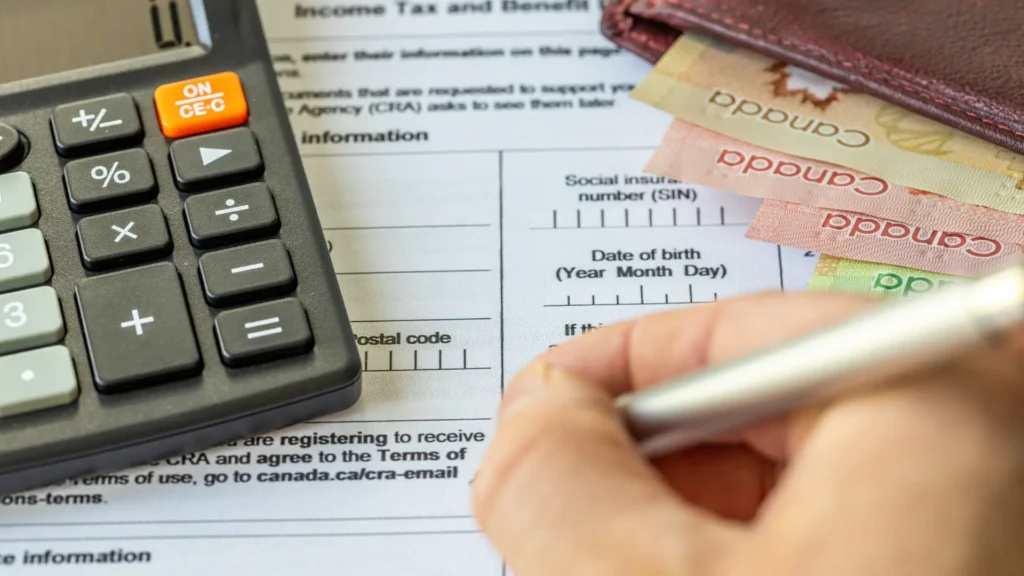
If you’re dealing with CRA debt, you’re likely wondering whether it can be included in a formal solution like a Consumer Proposal or Bankruptcy. The short answer is yes, in many cases it can.What surprises people is that CRA debt is not treated as some completely separate category that must always be paid in full. A CRA debt in a consumer proposal or bankruptcy is a legitimate debt. There are structured ways to deal with income tax, GST/HST, interest, and penalties in a consumer proposal or bankruptcy when full repayment is no longer realistic.If you’re unsure what applies to your situation, you can book a free consultation for finding debt relief solutions to review your numbers privately and without pressure.
Understanding CRA Debt in Canada
Debt collection at the CRA often feels more serious than credit card debt because the letters are formal and the collection powers are strong. Many people start searching for terms like CRA debt bankruptcy only after they receive a warning notice or experience frozen bank accounts.The key is understanding that CRA is simply another creditor in a legal consumer insolvency process. That means it can be included in a structured solution.What CRA debt can usually be included?
The following can be addressed through a consumer proposal for tax debt or bankruptcy:- Personal income tax owing
- GST/HST balances
- Interest and penalties
- this seems redundant
Managing CRA Debt: Choosing the Right Solution
If you need CRA debt help, your two main legal options are a Consumer Proposal or Bankruptcy.- A Consumer Proposal lets you repay a portion of your tax debt through affordable monthly payments.
- Bankruptcy will eliminate unsecured CRA debt when repayment is not realistic.
- Evaluate your eligibility
- Negotiate with the CRA
- Structure the Proposal if a Consumer Proposal is viable
Consumer Proposal For CRA Debt: Key Points To Know
A Consumer Proposal is often the first option people explore when they want to avoid bankruptcy but cannot afford to pay CRA in full.With a proposal, you offer to repay a portion of what you owe through manageable monthly payments. For many Canadians this option provides structure without the stigma or obligations associated with bankruptcy.When a consumer proposal for tax debt makes sense
A proposal is often a good fit if:- You have steady income
- You can afford a reduced monthly payment
- You want to avoid bankruptcy
- You need CRA collections to stop
Why might the CRA reject a consumer proposal?
- Unfiled tax returns: If you haven’t filed required past returns, CRA may refuse to consider the proposal.
- Offer is too low: CRA may vote no if the payment amount is not reasonable compared to what they could recover in a bankruptcy.
- Missing or incorrect information: Undeclared income, business revenue, assets, or debts can lead to a rejection.
- Compliance concerns: A history of late filings, past insolvency issues, or repeated payment problems can raise doubts about whether the proposal will succeed.
- Ability to pay more: If your income or assets suggest you can afford higher payments, CRA may push back on the terms.
Bankruptcy for CRA Debt: Things To Consider
Sometimes the math simply does not support a proposal payment. In those cases, CRA debt bankruptcy searches usually lead to one conclusion: bankruptcy may be the cleanest reset.Bankruptcy is designed for situations where repayment is not realistic, even at reduced amounts. It can eliminate unsecured CRA debt, read how the bankruptcy process works at Caplan Debt Solutions and how eligibility requirements are met.When bankruptcy for CRA debt may be appropriate
Bankruptcy is often considered when:- Income is too low to support proposal payments
- Multiple debts exist beyond CRA
- Financial pressure is constant and unsustainable
- You need immediate legal protection from collections
What Can Complicate CRA Debt?
Not all CRA files are identical. Certain factors can change strategy.CRA liens If CRA has registered a lien against property, that can affect how the debt is treated. It does not automatically remove your options, but it requires careful review.Business-related tax debt If your CRA balance includes GST/HST or payroll amounts, the timeline for collections can move faster. These cases require clear planning.Staying compliant going forward Even after filing a proposal or bankruptcy, you must stay current with future tax filings. A fresh start only works if new balances do not accumulate.You don’t have to wait for the notation to disappear to start rebuilding. Once you file a consumer proposal or receive your bankruptcy discharge, focus on on-time payments and keeping balances low, and expect credit updates to take a few reporting cycles. This is how you can quickly rebuild your credit after resolving CRA debt.CRA Tax Debt Relief: What Matters Most
When people search Tax debt relief or Debt help procedures, what they are really looking for is clarity and stability. The legal tools themselves are federal and apply across Canada. What matters is your financial reality.The best choice is not the one that sounds better. It is the one you can complete successfully.If you are looking for Caplan Debt CRA debt help, the right starting point is reviewing:- Total CRA balance
- Other unsecured debts
- Monthly income
- Essential expenses
- Asset situation