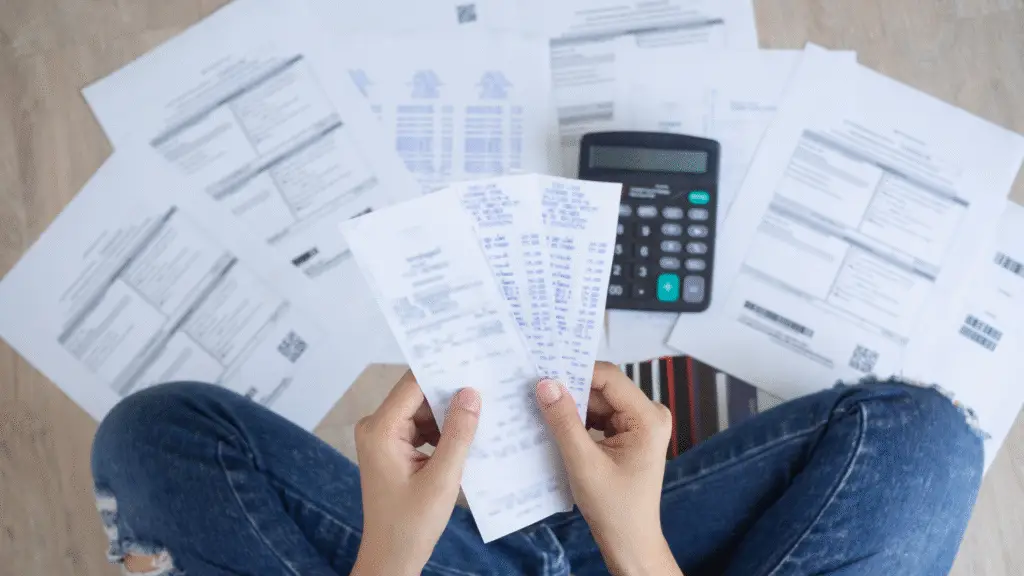
What Is Debt Consolidation in Winnipeg?
There are numerous options for dealing with your debts. These include, among others, debt consolidation, bankruptcies, and consumer proposals.
Debt consolidation occurs when a person takes out a single loan to pay off a number of smaller debts. The idea is to replace multiple, high-interest debts with a single, unified or “consolidated” loan.
The goal is to make your debt easier to manage by replacing several due dates, interest rates and minimum payments with one monthly payment. A consolidation loan may also reduce the amount of interest you pay if the new loan has a lower interest rate than your existing debts.
Debt consolidation does not reduce the principal amount you owe. You are still responsible for repaying the entire loan, together with the applicable interest and fees.
Caplan Debt Solutions can help Winnipeg and Manitoba residents review whether debt consolidation is realistic and compare it with alternatives such as a consumer proposal, bankruptcy or credit counselling.
How Do I Qualify for a Debt Consolidation Loan?
Debt consolidation loans are generally offered by large financial institutions. The institution from which you seek your loan will determine the specific requirements. In general, though, consolidation loans require satisfactory credit scores and a steady income. If your credit is too low, or if you have insufficient income, you may want to consider a consumer proposal or filing for bankruptcy.
In some cases, you may need to offer collateral, often your home, in order to qualify for a debt consolidation loan. Winnipeg residents can schedule a consultation with Caplan Debt Solutions to go over the details.
Lenders may also consider your employment history, monthly expenses, debt-to-income ratio, payment history and whether you have missed or fallen behind on existing payments. The interest rate you are offered will depend on the lender’s assessment of your credit risk.
Using your home or another asset as collateral can lower the lender’s risk, but it can also place that asset at risk if you are unable to make the new loan payments. Before securing unsecured debt against your home, carefully consider whether the proposed payment is affordable over the full term of the loan.
If you do not qualify for a consolidation loan, a Licensed Insolvency Trustee can explain options that do not require a new bank loan or a minimum credit score.
How Does Debt Consolidation Work in Manitoba?
The debt consolidation process generally involves the following steps:
- Review All Your Debts: List each balance, interest rate, minimum payment and due date. This will help determine how much you need to borrow and whether the proposed loan will actually reduce your monthly payment or interest costs.
- Review Your Credit and Income: Banks, credit unions and other lenders will examine your credit history, income and existing financial obligations. These factors determine whether you qualify and the interest rate you may receive.
- Apply for a Consolidation Loan: You can apply through a bank, credit union or another financial institution. Compare the interest rate, loan term, fees, collateral requirements and total repayment amount rather than focusing only on the monthly payment.
- Use the Loan to Repay the Individual Debts: Once approved, the consolidation funds are used to pay the selected credit cards, lines of credit or other balances. Those debts should then have a zero balance, leaving the consolidation lender as your main creditor.
- Make One Monthly Payment: You make the agreed payment until the consolidation loan is repaid. Avoid rebuilding balances on the accounts that were paid off, as this can leave you with both a consolidation loan and new credit-card debt.
Not sure whether you qualify? Caplan Debt Solutions offers a free consultation to review your situation and explain all available options, including alternatives that may reduce the amount you are required to repay.
What Happens After I Consolidate?
The idea behind a consolidation loan is to pay off various other loans and debts. After this is done, your only concern will be paying off the consolidated loan. If, for whatever reason, you find yourself unable to make payments due to loss of income or another financial setback, we will help you explore other options, including bankruptcy or a consumer proposal.
Closing old accounts or reducing their limits may help prevent the balances from building up again. It is also important to create a monthly budget that includes the new loan payment and allows for emergency expenses.
If the new consolidation payment becomes unaffordable, contact Caplan Debt Solutions before the account falls further behind. A Licensed Insolvency Trustee can explain whether credit counselling, a consumer proposal or bankruptcy may provide a more sustainable solution.
How Will My Credit Rating Be Affected?
This depends on how quickly you are able to pay off your debt consolidation loan. Winnipeg residents who are able to quickly and efficiently pay down their loan will see little or no impact to their credit rating. However, late payments or failure to make payments can have a negative effect.
Applying for a debt consolidation loan will result in a credit inquiry. After the loan is opened, its effect on your credit will depend on factors such as your payment history, total debt, available credit and whether the accounts that were paid off accumulate new balances.
We can discuss your ability to pay your consolidation loan during a credit counselling session.
What Are the Benefits of Debt Consolidation?
- It does not affect your credit rating if you make a settlement for 100% of the balance owing.
- You don’t have to be concerned about whether or not your offer will be accepted by your creditors.
- You can avoid filing for bankruptcy.
- You will have no ongoing responsibilities to a Licensed Insolvency Trustee, be it submission of monthly income and expense reports or attendance at counselling sessions.
- You will reduce the number of monthly payments you have to make.
- The monthly payments you do have to make may be lower. Credit card debt often comes with high interest rates, meaning soaring monthly payments. A loan with a lower interest rate means lower monthly payments.
- Lower monthly payments also mean increased savings. The less you owe in interest payments, the more you’ll have available to pay off your debts and strengthen your financial position.
- It will be easier to keep track of your payments. Instead of paying down multiple loans, you can focus on paying down your single, consolidated loan.
Debt consolidation is most beneficial when the new interest rate is meaningfully lower, the repayment term is reasonable and the payment fits comfortably within your monthly budget.
What Are Some of the Downsides of Debt Consolidation?
- You still have to pay 100% of the balance that you borrow.
- You still have to pay interest on your debt.
- You don’t get the benefit of financial counselling from a qualified professional.
- You don’t get an independent professional review of your financial situation by a qualified insolvency professional.
- You may not qualify. Because most consolidation loans are provided by banks, the criteria for qualifying for a loan can be quite high.
- While a consolidation loan may help you resolve your debt issues, it may not solve the root cause of your financial problems.
A longer repayment term can also reduce your monthly payment while increasing the total interest paid over the life of the loan. If collateral is required, missed payments could place the secured asset at risk.
Schedule a free consultation to receive an independent review of your financial circumstances.
Debt Consolidation vs Consumer Proposal in Winnipeg: What’s the Difference?
Debt consolidation and a consumer proposal can both replace multiple creditor payments with one monthly payment, but they are very different financial solutions.
Comparison | Debt Consolidation | Consumer Proposal |
Debt repayment | You repay 100% of the amount borrowed, plus interest and applicable fees. | You offer to repay an agreed portion of your unsecured debt. The proposal must be accepted by the required majority of creditors. There is no interest or additonal fees |
Qualification | Approval normally depends on credit, income and the lender’s requirements. | A credit score is not used to approve the proposal. It must be filed through a Licensed Insolvency Trustee. |
Interest | Interest continues according to the consolidation loan agreement. | Additional interest on included unsecured debts stops after the proposal is filed and approved. |
Assets | Assets are generally unaffected unless they are pledged as collateral for the loan. | You normally keep your assets while completing the proposal and maintaining secured payments. |
Monthly payment | The payment depends on the amount borrowed, interest rate and loan term. | The accepted proposal normally has a fixed payment. |
Timeline | The timeline depends on the loan agreement. | A consumer proposal may last up to five years and can be paid off early. |
Creditor protection | A consolidation loan does not automatically create legal protection from creditors. | Filing a proposal creates a Stay of Proceedings that stops unsecured collection action. |
Credit impact | The effect depends on the application, new loan and your ongoing payment history. | The proposal is reported separately on your credit file and affects your credit during and after the proposal. |
Debt consolidation may be appropriate when you can qualify for an affordable loan and repay everything you owe. A consumer proposal may be more appropriate when you cannot qualify for a reasonable loan, need to reduce your debt or require legal protection from unsecured creditors.
Learn more about the formal consumer proposal process or read the detailed comparison of consumer proposals and bankruptcy.
Our team can review both options and explain the expected monthly payment, total repayment amount and long-term implications of each.
Is Debt Consolidation Right for You in Winnipeg?
Debt consolidation may be a good option if:
- You have a steady and reliable income.
- You can qualify for an interest rate lower than the rates on your current debts.
- The new monthly payment is affordable within your budget.
- You want to repay 100% of what you owe.
- You have not fallen significantly behind on your payments.
- You are prepared to avoid taking on new debt after the existing accounts are paid off.
Debt consolidation may not be the best option if:
- Your credit is too low to qualify for an affordable loan.
- The lender requires you to secure the loan against your home or another important asset.
- You owe more than you can realistically repay from your income.
- You need to reduce the principal amount of your debt rather than only lower the interest rate.
- Creditors have started wage garnishment, lawsuits or other collection proceedings.
- The proposed loan term would cause you to pay substantially more interest over time.
If debt consolidation does not fit your circumstances, a consumer proposal may allow you to repay an agreed portion of your unsecured debt while keeping your assets. Bankruptcy services may also be considered when repayment is not realistic.
A free consultation can help you compare these options without pressure or judgement.
Additional Services
While a debt consolidation loan can help simplify and streamline your money issues, it doesn’t solve the root problem of your debt. Often, this root problem is simple money mismanagement. Our credit counsellors can help you address this problem and set you up for a brighter financial future.
Professional credit counselling can help you understand your spending, prepare a realistic budget and develop strategies for managing credit in the future. Caplan Debt Solutions can also explain whether a consumer proposal, bankruptcy or another debt-relief option would provide a better long-term result.
Contact Us
If you are in need of credit counselling, consumer proposal or bankruptcy help, get a free no no-obligation consultation
Client Testimonial
“ Would absolutely recommend Caplan Debt Solutions for help with financial issues and planning! They were very understanding and helpful with my issues!”
You can feel confident at Caplan Debt Solutions that your financial future and well-being will be carefully looked after by a licensed debt restructuring professional.
Debt Consolidation FAQs
Qualifying for a bank or credit-union consolidation loan can be difficult if you have a low credit score, insufficient income or recent missed payments. Lender requirements vary, but many lenders look for a satisfactory credit rating, stable income and enough room in your budget to make the new payment.
A lender that approves a higher-risk application may charge a higher interest rate or require collateral. Before accepting the loan, compare the interest rate, fees, repayment term and total cost.
If you cannot qualify for an affordable consolidation loan, a consumer proposal may be an alternative because it does not require approval based on your credit score.
Applying for a consolidation loan may result in a credit inquiry, which can temporarily affect your score. Opening a new account may also change the age and mix of your credit accounts.
Over time, making every payment on time and reducing your outstanding revolving balances may support credit rebuilding. Missing payments or accumulating new credit-card balances after consolidation can negatively affect your credit.
Debt consolidation involves borrowing enough money to repay selected debts. You then repay the new loan in full, including interest.
A consumer proposal is a formal legal arrangement filed through a Licensed Insolvency Trustee. It allows you to offer creditors an agreed repayment amount and normally provides legal protection from unsecured collection activity.
Debt consolidation may be appropriate when your credit and income allow you to repay everything you owe. A consumer proposal may be more appropriate when you need to reduce the debt, cannot qualify for an affordable loan or need creditor protection.
A conventional consolidation loan does not create a legal settlement with CRA. Depending on the lender’s terms, loan proceeds may be used to pay tax debt, but you would still have to repay the consolidation loan in full with interest.
Many unsecured CRA debts may be included in a consumer proposal or bankruptcy. However, secured CRA claims, tax liens, post-filing debts and certain other tax obligations may require different treatment. Review the available tax debt solutions with a Licensed Insolvency Trustee before choosing an option.
If you miss payments, the lender may charge late fees, report the missed payments to the credit bureaus and begin collection activity. If the loan is secured, the collateral may also be at risk.
Contact Caplan Debt Solutions as soon as you know the payment is becoming unaffordable. A Licensed Insolvency Trustee can review whether changes to your budget, credit counselling, a consumer proposal or bankruptcy could provide a more sustainable solution.
Ready to Discuss Your Debt Options?
If you need help with credit counselling, a consumer proposal, bankruptcy or debt consolidation in Winnipeg, book a free, no-obligation consultation with Caplan Debt Solutions.