
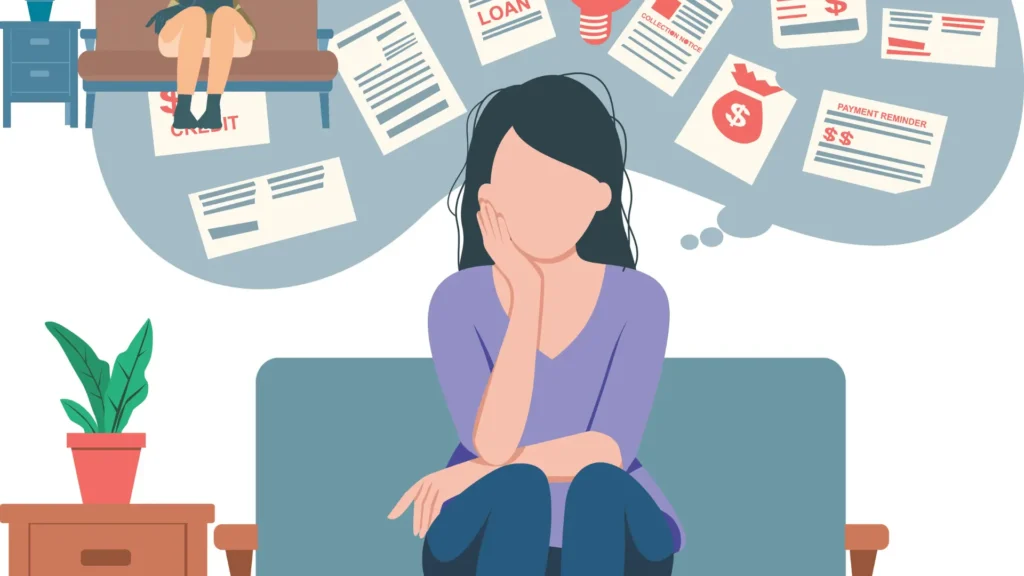
Debt does not have to be dramatic to be heavy. For many people, it is the quiet pressure in the background. The balance that will not drop. The minimum payments that keep you stuck. The messages you avoid because you already know what they say.
And when the pressure lasts long enough, it rarely stays “just financial.” It seeps into sleep, mood, confidence, and relationships. If you are starting to wonder whether your debt is affecting your mental health, that question alone is a sign that it has become more than a budgeting problem.
For Winnipeg residents, the good news is that there are real options that can reduce both the financial strain and the emotional load. A conversation with a Winnipeg insolvency trustee can help you understand what relief could look like, without judgment and without pressure to choose a path on the spot.
When debt stops being just financial
A manageable amount of debt usually comes with a clear timeline. You can see how it gets paid down, even if progress is slow. Overwhelming debt feels different because it creates uncertainty. You do not just worry about what you owe, you worry about what happens if something goes wrong. One missed shift, one car repair, one unexpected bill, and the whole month can slide.
That kind of ongoing stress is not harmless. The Financial Consumer Agency of Canada explains that financial stress can affect both physical and mental well-being, including sleep and mood, and it can contribute to anxiety and depression over time through their guidance on how financial stress can affect your health. In other words, if you feel constantly on edge about money, your body is responding exactly the way it would to any persistent threat.
Signs debt may be impacting your mental health
Debt stress tends to show up in patterns. You may feel wired at night but exhausted during the day. You might become short-tempered, withdrawn, or emotionally flat. Some people notice a constant undercurrent of dread, even when nothing “new” has happened. Others feel shame and start avoiding anything that reminds them of the situation, including opening mail, checking accounts, or answering unknown calls.
Research has linked debt stress with worse mental health outcomes. CAMH has summarized Ontario findings connecting higher debt stress with greater psychological distress and poorer self-rated mental health in this research snapshot on debt stress and health. Debt is not the only factor in mental health, but it can be a powerful amplifier when it becomes chronic.
If you are dealing with panic symptoms, persistent low mood, or thoughts of self-harm, it is important to seek medical support as well. Addressing the debt helps reduce the trigger, but you should not have to white-knuckle your way through the emotional side of it.
The debt and mental health loop
Debt and mental health can feed each other in a frustrating loop. When you are anxious or depressed, it becomes harder to do the small actions that stabilize finances. Tracking spending, returning calls, negotiating payments, even just reading statements. Avoidance often feels like relief in the moment, but it typically increases the pressure later.
A useful point from Caplan’s blog, Carrying a Lot of Debt? It’s Lowering Your Happiness, is that financial strain often shows up as sleep disruption, social withdrawal, and a sense of hopelessness. That matters because it reframes the experience. These are not personality flaws. They are stress responses. Once you see them that way, it becomes easier to focus on practical next steps instead of self-blame.
Small steps that reduce the emotional load quickly
When debt is affecting your mental health, the goal is not perfection. It is reducing uncertainty. Start by getting a clear snapshot of what you owe, what the interest rates are, and what the minimum payments require each month. Clarity can feel uncomfortable at first, but it replaces guessing with facts.
It also helps to contain money stress so it does not take over your entire week. Many people benefit from setting a short, scheduled money check-in, once weekly. Fifteen or twenty minutes to confirm what is due next and what you can realistically handle. Then you stop. This simple boundary can reduce the feeling that debt is always “on.”
If you are juggling multiple high-interest payments, exploring debt consolidation options can sometimes help by simplifying what you are managing and, in some cases, reducing interest costs. For the right person, having fewer moving pieces creates immediate mental relief because the plan becomes easier to follow.
When the right debt option is the one that creates breathing room
Sometimes people try to push through with willpower, but the math does not cooperate. That is when a structured legal solution can shift things quickly, not just financially, but emotionally.
A consumer proposal can reduce what you owe and replace spiralling payments with a predictable plan. For many people, predictability is the turning point. It is hard to feel calm when your debts feel like a moving target. A proposal gives you a framework you can actually live with.
If repayment is truly not realistic, the bankruptcy process can provide a reset. It exists for situations where the numbers are not workable, and where continuing to struggle only increases harm. People often delay this conversation because of fear or stigma, but for some, it is the step that stops the spiral and makes recovery possible.
It is also worth being cautious about solutions that sound too easy. Caplan’s post on Canadian “government grants” to pay off debt tackles a common misconception. There are not legitimate grants meant to wipe out personal consumer debt, but there are regulated pathways that can reduce debt, stop collection pressure, and replace anxiety with a plan you can follow.
What it is like to speak with a Licensed Insolvency Trustee
Many people avoid reaching out because they assume they will be judged, or pressured into a decision. A good first conversation is the opposite. It is about understanding the facts, reviewing your options, and mapping out what fits your situation.
Speaking with a Winnipeg insolvency trustee is often helpful even if you are not ready to act immediately. Knowing your real options can reduce anxiety because you are no longer stuck in “what if” mode. You are looking at actual choices, with timelines and outcomes you can compare.
If debt has started affecting your sleep, your mood, or your ability to focus at work, that is not a reason to wait. It is a reason to get clarity.
A calmer path forward
Debt affects mental health because it steals certainty and attention. It keeps part of your brain in problem-solving mode all the time. The best outcome of a good debt plan is not just financial. It is mental space.
Whether the right fit is consolidation, a consumer proposal, or bankruptcy, the goal is the same. Reduce pressure, restore stability, and create a path forward that feels realistic. If you have been carrying this alone, you do not have to.
FAQs
Can debt actually cause anxiety or depression?
Debt stress can contribute to anxiety and low mood, especially when it creates ongoing uncertainty, sleep disruption, and conflict at home. If symptoms are persistent or severe, it is worth getting medical support while also addressing the financial pressure.
Is it better to consolidate debt or file a consumer proposal?
It depends on your income, your interest rates, and whether you can realistically repay what you owe within a reasonable timeframe. Consolidation may work when repayment is achievable but messy. A consumer proposal may be a better fit when the debt load is too high to repay as-is.
Will talking to a Licensed Insolvency Trustee affect my credit score?
A conversation does not change your credit. Exploring options is informational. If you choose a legal process like a consumer proposal or bankruptcy, that can impact credit, but the goal is long-term stability and a realistic recovery plan.