
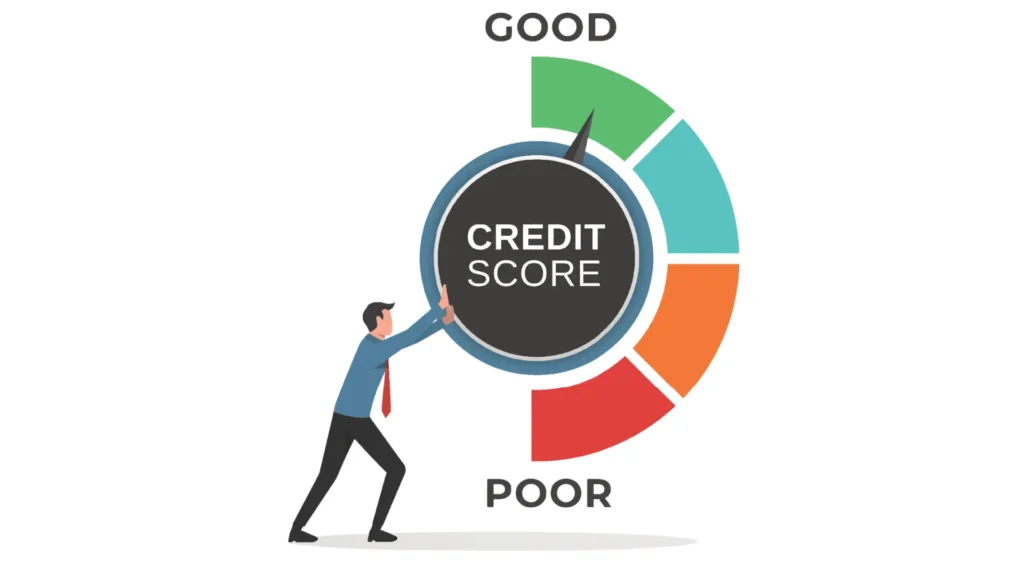
If you are considering a Consumer Proposal or Bankruptcy, you are probably bracing for the credit score fallout. That’s fair. Both options show up on your credit file and they can make borrowing harder in the short term. But “how bad” depends on what your credit looks like right now, and what you do next.
A lot of people are surprised to learn that their score often has already taken most of the hit before they ever talk to a trustee. If you’ve been juggling minimum payments, using most of your available credit, or missing payments, your score has likely been declining for months. Choosing a formal solution can stop the bleeding and give you a clean path forward. If you want to talk through your situation privately, you can book a free consultation with Caplan Debt Solutions.
Why your credit score drops in the first place
Credit scores react to risk signals. Missed payments, collection activity, and high credit utilization can pull your score down quickly. A Consumer Proposal and a Bankruptcy are also risk signals, so lenders and scoring models treat them seriously.
That said, the “drop” isn’t the same for everyone. If your score is still strong and you file unexpectedly, you will likely see a sharper decline. If your credit is already strained, the additional impact may be smaller, because the file already shows signs of distress.
This is also why it helps to understand how your file is actually reported. In our post on how a Consumer Proposal can show up on your credit report, we explain what the notation can look like while the proposal is active and why it matters to confirm that your report updates correctly when you finish.
Consumer Proposal vs Bankruptcy: which is “worse” for credit?
In pure credit terms, Bankruptcy is usually the tougher mark because it signals that debts were discharged through bankruptcy proceedings rather than repaid under a settlement plan. A Consumer Proposal is still negative, but it can be viewed as a structured repayment arrangement, and many people find it easier to rebuild during and after the process.
Your bigger decision factor should be fit, not fear. If the monthly payment in a proposal is realistic and keeps you stable, it often supports a faster recovery because you can start rebuilding positive habits right away. If bankruptcy is the only affordable option, protecting your cash flow and getting back to zero is sometimes the quickest way to eventually qualify for credit again.
To compare the process and obligations, you can read about the bankruptcy process and what it typically involves, including the duties that come with filing.
How long will a Consumer Proposal or Bankruptcy stay on your credit report?
This is the part people care about most, and the timelines are more specific than most assume.
Consumer Proposals come off your credit report three years after they are completed. A first bankruptcy is typically removed six years after discharge, although the exact timing can vary depending on your province or territory and the credit bureau reporting the information. Credit bureaus may keep both positive and negative payment history on your credit report for specific periods of time, including records of payments made on time or missed payments, based on their reporting policies and regional regulations. For the exact breakdown, it’s worth reading the official Government of Canada guidance on how long consumer proposals and bankruptcies stay on your credit report.
If you’re in Winnipeg and weighing your options, keep in mind that finishing a proposal early can shorten how long it appears overall because the removal timeline is tied to completion. If you want a quick sense of what a payment might look like, the Consumer Proposal Calculator is a helpful starting point before you talk numbers in a consultation.
The hidden truth: your pre-filing choices matter as much as the filing
People often focus on the label (proposal vs bankruptcy) and forget the bigger drivers of recovery. Lenders look at what you do after the filing: whether you pay everything on time, whether new credit is managed conservatively, and whether your finances stabilize.
If you can avoid new missed payments, avoid bouncing bills, and keep essential accounts current, you set yourself up to show improvement long before the notation disappears. That is why a plan matters. A filing is a reset, but your habits are the rebuild.
How to rebuild credit without gimmicks
Rebuilding does not require perfection. It requires consistency.
In our guide on how quickly you can rebuild credit after a Consumer Proposal or Bankruptcy, we highlight a practical lender reality: many lenders want to see a stretch of clean recent history, a couple of active trade lines that are managed responsibly, and low utilization. In plain terms, that means paying on time, keeping balances low, and not applying everywhere at once.
If you’re trying to decide whether a loan-based option is realistic instead, it’s also worth understanding the credit side of debt consolidation because consolidation can look “cleaner” on a credit report, but it only works when you qualify, and the payment is truly affordable.
When you should get advice instead of guessing
If you’re losing sleep over your credit score, you’re not alone. But the bigger goal is getting your finances stable enough that your score can recover naturally.
A Licensed Insolvency Trustee can help you compare outcomes based on your debts, income, assets, and goals, including whether a proposal payment is realistic or whether bankruptcy would give you the breathing room you actually need. If you want to talk through your options, start with the Debt Help resources or reach out through the contact page to set up a confidential conversation.
FAQs: credit scores after a Consumer Proposal or Bankruptcy
Will my credit score drop immediately after filing?
Often, yes. But the size of the drop depends on your starting score and what your file already shows. Many people with missed payments or collections have already experienced most of the decline before filing.
Is a Consumer Proposal better than Bankruptcy for credit?
It can be, especially if you can complete it efficiently and start rebuilding right away. The right choice depends on affordability and long-term stability, not just the credit label.
Can I rebuild credit before the proposal or bankruptcy comes off my report?
Yes. Credit rebuilding usually starts with consistent on-time payments and careful use of any new credit you qualify for. The notation can remain while your score improves.
What if my credit report doesn’t update after I complete my proposal?
That can happen. It’s smart to check your reports after completion and dispute errors if something is being reported incorrectly.